
Tin tức
Tin tức
-
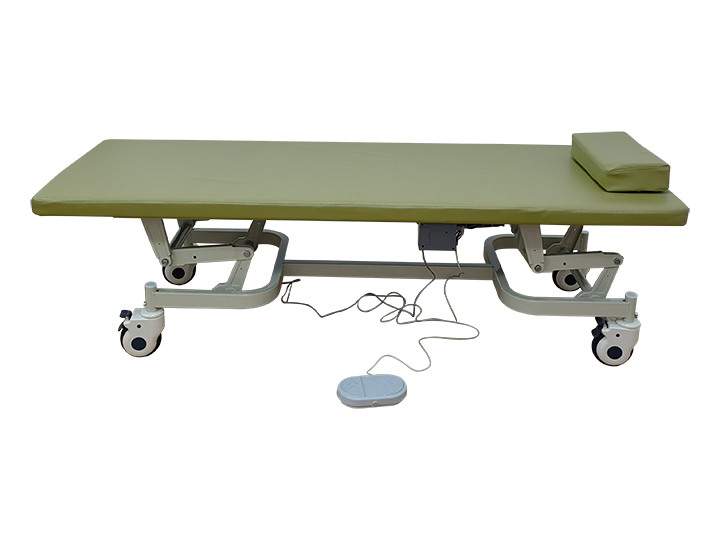
What Is A Physiotherapy Bed? Functions, Types, And Buying Guide
July-03 2026
As a common medical device, physiotherapy beds play an important role in sports medicine treatment, daily relaxation, spinal massage, and wave bath massage. Whether for professional medical institutions or personal rehabilitation needs, choosing the right physiotherapy bed is directly related to treatment effectiveness and user experience. This article will detail the functions, types, and key purchasing points of physiotherapy beds to help you better understand this equipment. I. What is a Physiotherapy Bed? A physiotherapy bed is a medical device specifically designed to position patients for various physiotherapy treatments. Its core role is to assist in sports medicine treatment, spinal correction, relaxation massage, and other procedures through stable support and specific functions. Unlike ordinary beds, physiotherapy beds focus more on medical professionalism in structural design and functional configuration, capable of adjusting angles according to treatment needs, providing targeted physical intervention, and creating a safe and comfortable physiotherapy environment for patients. II. What are the Core Functions of a Physiotherapy Bed? High-quality physiotherapy beds usually have multiple practical functions to meet different physiotherapy needs: - Acup...
-
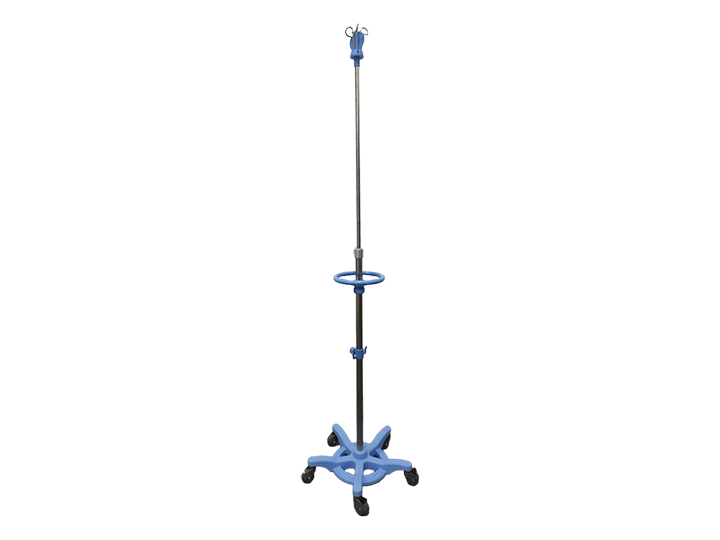
Comprehensive Guide To IV Poles: Type Analysis And Selection Tips For Medical Environments
July-03 2026
IV poles are indispensable basic equipment in medical settings, whose primary function is to provide stable and safe support for IV bags or bottles. They are widely used in hospital wards, operating rooms, emergency centers, clinics, and even home care scenarios. With the diversification of medical needs, the design of IV poles has become increasingly rich, aiming to provide higher flexibility and convenience for medical staff and patients. Understanding different types of IV poles and their characteristics is a crucial step in ensuring efficient and safe medical work. This article will systematically analyze the common types of IV poles on the market and provide practical selection guidelines to help you make the best decision based on specific medical scenarios. Common Types of IV Poles and Their Core Characteristics 1. Floor-Standing IV Poles This is the most common and traditional type, fixed to the ground via a stable base, providing extremely strong stability. Some models are equipped with casters, thus combining stability and mobility. Its advantage is that it usually has multiple hooks, which can meet the needs of multiple patients or a single patient with multiple IV bags simultaneously, making it very suitable for fixed bed areas such as inpatient wards....
-
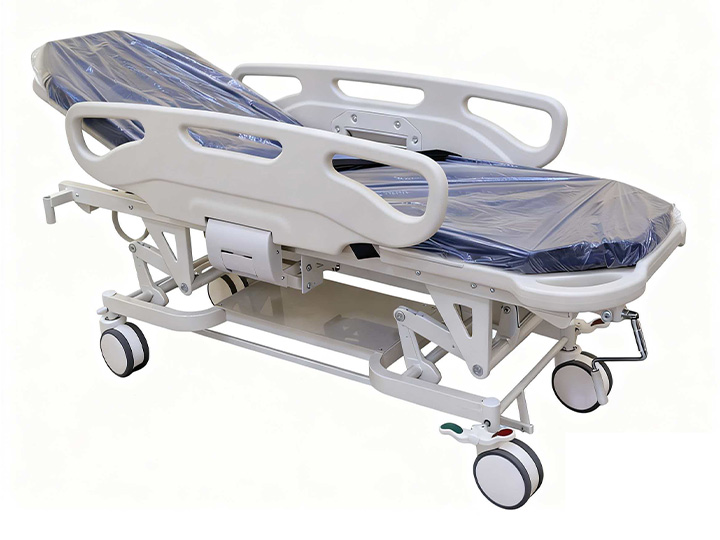
Comprehensive Guide To Choosing Hospital Beds: Analysis Of Sizes, Prices, And Selection Key Points
June-29 2026
Hospital beds are core equipment in medical care and home care. Choosing the right hospital bed can not only improve the comfort of users but also facilitate nursing work. This article will detailedly analyze the common sizes, key selection points, and market overview of hospital beds to help you make an informed decision. Common Size Specifications of Hospital Beds The size of a hospital bed is the primary consideration when choosing, mainly divided into three types: single, double, and double extra-large. Choosing the right size is crucial to ensure the utilization of ward space and user comfort. Single hospital beds commonly have a width of 90 or 100 centimeters, and lengths of 188, 195, or 200 centimeters. This type of bed is suitable for wards with limited space or single-person use, meeting basic bedridden needs. Double hospital beds usually have a width of 150 or 180 centimeters and a length of 200 centimeters. This size provides a more spacious resting space, suitable for users who need more room to turn over or for family members to temporarily take care of them nearby. Double extra-large hospital beds can have a width of up to 180 or even 210 centimeters, with lengths of 188 or 200 centimeters. This is the most spacious type of hospital bed, ...
-
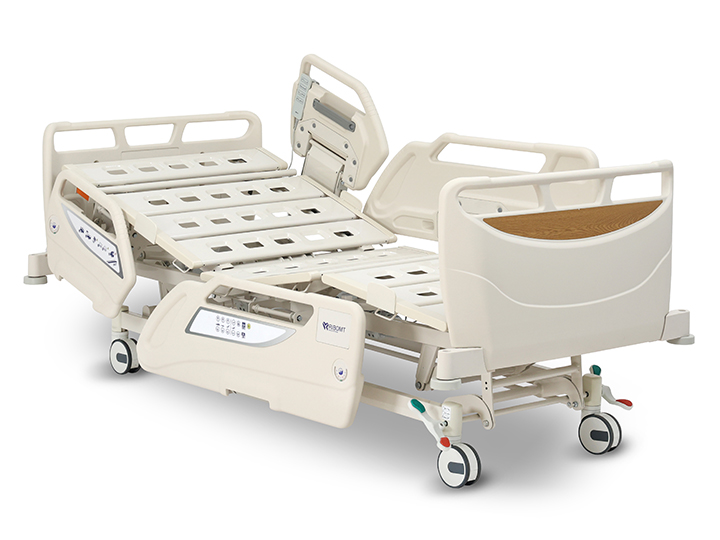
Medical Beds: Key Equipment For Enhancing Nursing Quality And Patient Comfort
June-29 2026
As a core piece of equipment in medical care settings, medical beds are specifically designed for inpatients and various individuals requiring professional care. They are not just ordinary beds but integrate comfort and functionality, aiming to provide patients with a secure resting environment while facilitating the daily work of nursing staff. Choosing the right medical bed is crucial for improving overall nursing efficiency and the patient's rehabilitation experience. Core Functional Features of Medical Beds The design of medical beds focuses on patient comfort and safety, as well as the convenience of nursing operations. Their main functions include: Height Adjustment Function: The entire bed frame can be adjusted in height as needed. This function not only makes it easier for patients to get in and out of bed by themselves but also allows nursing staff to work in a more comfortable and ergonomic position when providing bedside care, changing bed sheets, or performing treatment procedures, thereby reducing occupational strain. Head and Foot Adjustment: The head and foot sections can be adjusted in angle independently or synchronously. Patients can adjust to the most comfortable position according to their own needs (such as reading, eating, resting, or under...
-
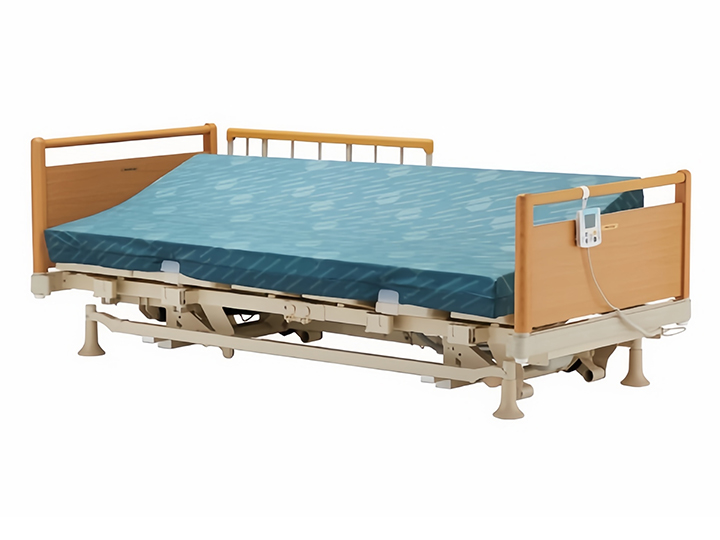
Nursing Bed Buying Guide: Comprehensive Analysis Of Types, Functions, And Safety Considerations
June-29 2026
A nursing bed is a specialized bed designed for patients or the elderly with limited mobility or those who are bedridden for long periods. It not only provides basic resting functions but also integrates multiple care-assisting features, aiming to enhance the user's comfort and quality of life while reducing the burden on caregivers. Given the specific nature of their user base, nursing beds are subject to far stricter requirements regarding safety and stability in their design and manufacturing compared to ordinary beds. Faced with a variety of products on the market, understanding the main types of nursing beds and their core functions is the first step in making the right choice. According to the driving method and functional configuration, nursing beds can be roughly divided into the following categories: Electric nursing beds are a common choice in modern care. Equipped with electric drive systems, they can easily perform functions such as backrest elevation, leg elevation, and even full-body tilting (e.g., the Trendelenburg position). This convenient electric assistance helps users complete actions such as sitting up, eating, reading, or turning over independently or with minimal assistance from family members, greatly promoting autonomy and blood circulation. To ensur...
-
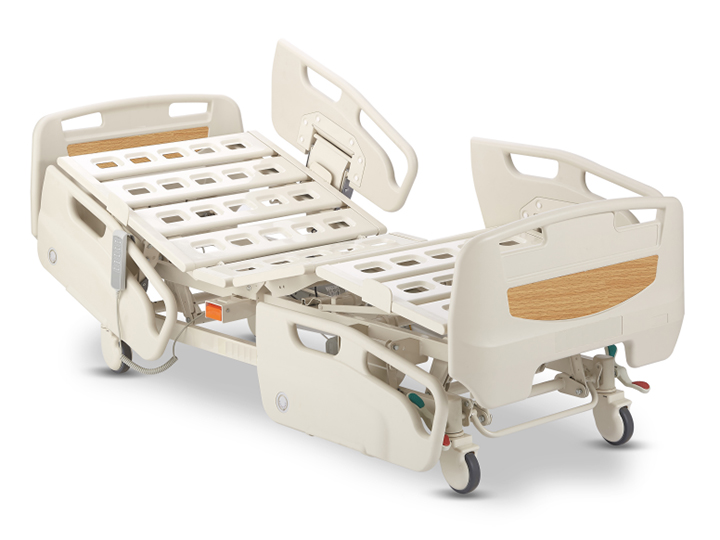
Comprehensive Analysis Of Medical Beds: Core Functions, Type Selection, And Modern Intelligent Applications
June-29 2026
Medical beds are indispensable professional equipment in medical institutions, providing support for patient treatment, rehabilitation, and daily care. A medical bed that meets the requirements can not only improve patient comfort and safety but also assist medical staff in performing their work efficiently. This article will systematically introduce the key features, main types, and development trends of medical beds to help you fully understand their important value. Core Functional Features of Medical Beds The design of modern medical beds fully considers the two-way needs of patients and medical staff, mainly reflected in the following aspects: 1. Height Adjustability: The head, foot, and overall height of medical beds are usually flexibly adjustable. This not only facilitates patients' daily activities such as eating, reading, or resting but also provides convenience for medical staff to perform examinations, dressing changes, nursing, and other operations, reducing their workload. 2. Comprehensive Safety Protection: Safety is the primary principle in medical bed design. Common protective facilities include liftable guardrails, which effectively prevent patients from falling when turning over; anti-slip bed structures and stable bed foot designs ensure...
-

Giường điều dưỡng y tế: chìa khóa nâng cao chất lượng chăm sóc y tế
June-04 2026
Là hạ tầng không thể thiếu trong các cơ sở y tế, việc thiết kế giường điều dưỡng y tế ảnh hưởng trực tiếp đến trải nghiệm phục hồi chức năng của người bệnh và hiệu quả làm việc của nhân viên y tế. Với sự tiến bộ của công nghệ y tế, Giường y tế đã phát triển nhiều chức năng thông minh và nhân bản khác nhau, trở thành một chỉ số quan trọng để đo lường mức độ dịch vụ của các cơ sở y tế. Phân tích chức năng cốt lõi của giường y tế 1. Hệ thống điều chỉnh chiều cao Bằng cách sử dụng các thiết bị điện hoặc thủ công để nâng và hạ giường tổng thể, giường có thể thích ứng với nhu cầu vận hành của nhân viên y tế ở các độ cao khác nhau, giảm nguy cơ chấn thương nghề nghiệp một cách hiệu quả. Đồng thời hỗ trợ tích hợp liền mạch với các thiết bị như xe lăn, cáng, đặc biệt phù hợp với các tình huống vận chuyển sau phẫu thuật. 2. Mô-đun điều chỉnh vị trí -Nâng độc lập đầu giường/chân: hỗ trợ 0° -75° Nâng lưng đáp ứng nhu cầu ăn uống, khám bệnh, v.v của bệnh nhân; Chân 0° -40° Chức năng nâng có thể thúc đẩy tuần hoàn máu. -Chức năng nghiêng toàn bộ giường: Một số model cao cấp được trang bị 0-12° Khả năng điều chỉnh độ nghiêng tổng thể phù hợp với yêu cầu vị trí điều trị đặc biệt. 3. Thiết bị bảo vệ an toàn Lan can hai mặt áp dụng thiết kế chống kẹp, kết hợp với chức năng khóa bằng một cú nhấp chuột...
-
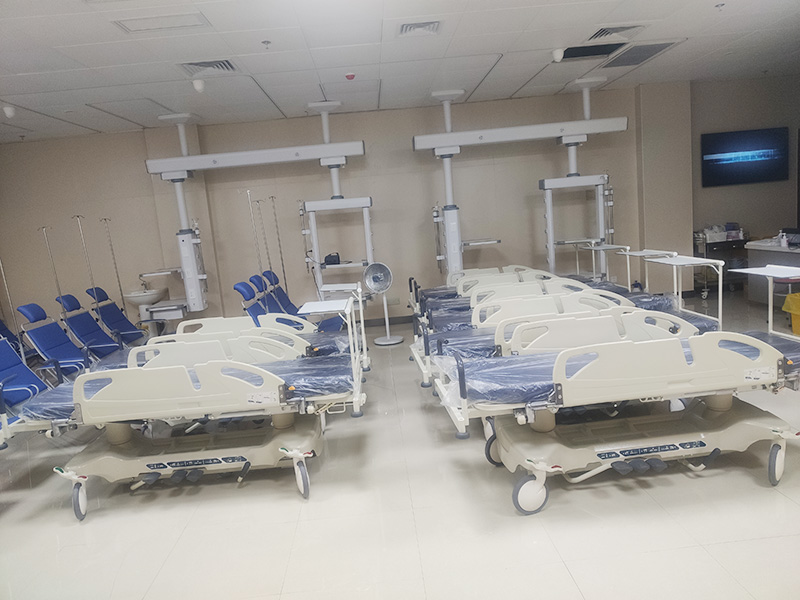
Lựa chọn giường nâng bệnh viện và các tình huống sử dụng
June-04 2026
Là một trong những thiết bị cốt lõi trong điều dưỡng y tế hiện đại, giường nâng bệnh viện đã cải thiện đáng kể sự thoải mái của bệnh nhân và hiệu quả điều dưỡng thông qua chức năng điều chỉnh độ cao và chuyển đổi vị trí. Bài viết này sẽ phân tích chuyên sâu về Chức năng cốt lõi, điểm lựa chọn và các kịch bản áp dụng của giường nâng bệnh viện giúp các tổ chức y tế và người dùng gia đình đưa ra quyết định khoa học. Chức năng cốt lõi và lợi thế thiết kế 1. Hệ thống điều tiết đa chiều -Điều chỉnh độ cao: Việc nâng và hạ tổng thể thân giường được thực hiện thông qua các thiết bị điện hoặc thủy lực, với phạm vi điều chỉnh thường trong khoảng 30-70cm, giúp bệnh nhân dễ dàng lên xuống giường một cách an toàn và thích ứng với các tình huống phẫu thuật y tế khác nhau. -Điều chỉnh vị trí từng đoạn: Đầu giường có thể nghiêng 0-75 độ; Đuôi giường hỗ trợ 0-40 độ; Uốn và duỗi có thể đáp ứng nhu cầu ngồi, nằm, nâng chân của bệnh nhân, v.v., đặc biệt thích hợp cho việc phục hồi chức năng sau phẫu thuật và bệnh nhân khó thở. -Chức năng lật và nghiêng: Một số kiểu máy hỗ trợ lật sang trái và phải (15-30 °) và nghiêng về phía trước và phía sau của bề mặt giường, giúp dễ dàng vệ sinh và chăm sóc, ngăn ngừa loét do áp lực và mang lại sự thuận tiện cho các thao tác khẩn cấp. 2. Thiết kế an toàn và nhân văn -C...
-

Hướng dẫn so sánh và bảo trì chức năng của giường y tế
June-04 2026
Là một cơ sở quan trọng của điều dưỡng y tế, việc thiết kế giường y tế phải tính đến cả sự thoải mái của bệnh nhân và sự thuận tiện của điều dưỡng. Bài viết này sẽ phân tích toàn diện bốn khía cạnh phân loại, chức năng, lựa chọn và bảo trì. Những điểm cốt lõi của giường y tế. Phân loại cốt lõi của giường y tế Theo chế độ hoạt động và tình huống sử dụng, giường y tế có thể được chia thành các loại sau: 1. Phân loại theo phương pháp lái xe -Giường bệnh bằng tay: được điều chỉnh bằng cơ cấu cơ khí, tiết kiệm và thiết thực. Các loại phổ biến bao gồm máy lắc đơn (chỉ có thể điều chỉnh được bảng mặt sau), máy lắc đôi (có bảng điều khiển phía sau và bảng chân có thể điều chỉnh) và máy lắc ba (có khả năng điều chỉnh chiều cao tổng thể tăng lên), phù hợp với các tình huống có triệu chứng nhẹ hoặc ngân sách hạn hẹp. -Giường bệnh bán điện: Một số chức năng (như nâng tấm lưng) được điều khiển bằng điện, cân bằng giữa hiệu quả chi phí và dễ vận hành. -Giường bệnh hoàn toàn bằng điện: Điều chỉnh chiều cao giường, thành sau và ván chân chỉ bằng một cú nhấp chuột, phù hợp với những bệnh nhân bị bệnh nặng hoặc những tình huống cần điều chỉnh tư thế cơ thể thường xuyên. 2. Phân loại theo kịch bản chức năng -Giường chống loét do áp lực: được trang bị mặt giường đệm hơi hoặc đệm nước, giúp giảm...
-
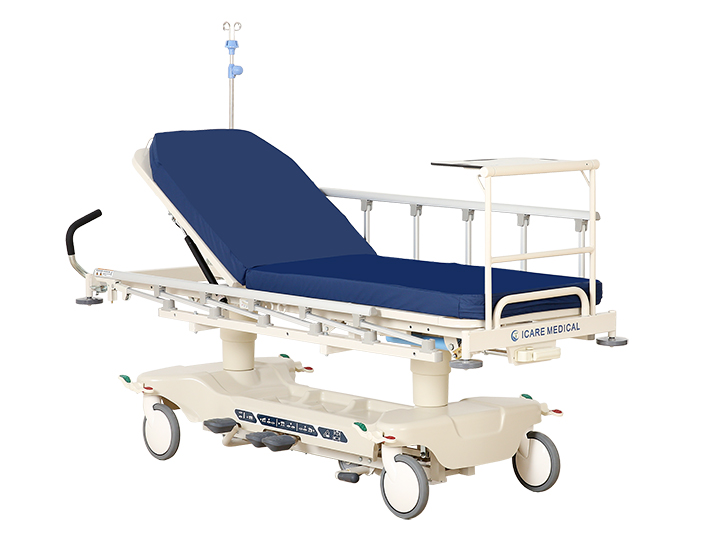
Phân tích quy trình và kỹ năng thực hành của điều dưỡng phường từ khi nhập viện đến phục hồi chức năng
June-04 2026
Điều dưỡng tại khoa là một phần không thể thiếu trong quy trình y tế, bao gồm việc chăm sóc có hệ thống từ khi bệnh nhân nhập viện đến khi xuất viện, nhằm đảm bảo an toàn cho bệnh nhân, thúc đẩy quá trình phục hồi và nâng cao trải nghiệm y tế. Sau đây là những nội dung cốt lõi và quan điểm hoạt động của điều dưỡng phường, giúp nhân viên y tế và gia đình họ nắm bắt đầy đủ những kiến thức cơ bản về điều dưỡng. Nội dung cốt lõi của điều dưỡng phường 1. Điều dưỡng trong giai đoạn nhập viện -Điều trị vệ sinh cá nhân: Hỗ trợ người bệnh hoàn thành các công việc vệ sinh cơ bản như gội đầu, tắm rửa, thay quần áo,... để đảm bảo thể chất thoải mái. -Thích ứng với môi trường: Giới thiệu cách bố trí phòng bệnh và các quy tắc sử dụng cơ sở vật chất cho bệnh nhân và gia đình họ để giảm bớt sự xa lạ. -Đánh giá sức khỏe: Lập hồ sơ bệnh án và ghi lại các dấu hiệu sinh tồn (nhiệt độ, huyết áp,…) để làm cơ sở cho việc chăm sóc điều dưỡng tiếp theo. 2. Tập trung điều dưỡng hàng ngày -Chăm sóc buổi sáng và buổi tối: Hỗ trợ người bệnh tắm rửa, dọn giường, giữ gìn vệ sinh phòng bệnh. -Quản lý chế độ ăn uống: Dán nhãn các loại chế độ ăn (như lỏng, ít muối) theo tư vấn y tế, giám sát việc rửa tay trước bữa ăn và tổ chức sau bữa ăn. - Chăm sóc nhu cầu đặc biệt: Đối với bệnh nhân hôn mê, tiểu không...
-
Lựa chọn giường nâng bệnh viện và các tình huống sử dụng
-
Phân tích quy trình và kỹ năng thực hành của điều dưỡng phường từ khi nhập viện đến phục hồi chức năng
-
Đặc điểm chức năng và lựa chọn giường khám chẩn đoán và điều trị y tế
-
Giường phục hồi chức năng: chìa khóa nâng cao chất lượng chăm sóc bệnh nhân nằm liệt giường dài ngày
-
Công nghệ chăm sóc người cao tuổi thông minh trao quyền và mở ra kỷ nguyên mới về dịch vụ chăm sóc người cao tuổi
-
Phân tích chức năng và lựa chọn các biện pháp phòng ngừa của giường điện thông minh
-
Hướng dẫn lựa chọn thiết bị phục hồi chức năng và phân tích các loại thông dụng
-
Kỹ năng phân tích và lựa chọn chức năng của giường đồng hành
-
Sự phát triển mới thông minh và dựa vào cộng đồng trong chăm sóc người già tại nhà