Tin tức
Tin tức
Dispensing Station: An Analysis Of Key Equipment For Enhancing Medical Dispensing Efficiency And Safety
In modern medical environments, the dispensing station, as a specialized device for medication preparation and drug management, is increasingly becoming an indispensable tool in hospitals, clinics, or pharmacies. Through careful design, it aims to optimize the dispensing process, ensure drug safety, and provide healthcare workers with a convenient operational experience. This article will delve into the core functions, design features, and application scenarios of dispensing stations, helping you comprehensively understand how this equipment promotes the professionalization and efficiency of medical services.
Core Functions of Dispensing Stations: Comprehensive Optimization from Storage to Operation
The design philosophy of the medication dispensing station focuses on enhancing workflow efficiency and ensuring operational accuracy. Its core functions encompass medication storage, dispensing operations, and intelligent guidance systems. First, these stations typically feature multiple drawers or cabinets for the organized storage of various medications, thereby ensuring orderly management and minimizing the risk of mix-ups or errors. Second, the countertop provides ample workspace, facilitating tasks such as the sorting and preparation of medications—for instance, retrieving drugs from storage units and transferring them into medication cups or other containers. Furthermore, modern dispensing stations often incorporate electronic displays or indicator lights that show critical information—such as medication names and quantities—in real-time, assisting healthcare personnel in accurately completing dispensing tasks and reducing the likelihood of human error.
Design Features of Dispensing Stations: Balancing Durability, Safety, and Humanization
The design of medication preparation stations prioritizes material selection, layout planning, and safety features to meet the rigorous standards of medical environments. Corrosion-resistant and easy-to-clean materials—such as stainless steel or high-quality steel plating—are typically used, while countertops often feature medical-grade acrylic solid surface materials to ensure hygiene and durability over long-term use. Dimensions and layouts can be customized to suit specific operational needs; some stations are also equipped with faucets and sinks to facilitate cleaning and enhance overall hygiene. Safety is paramount in the design, incorporating measures such as locking mechanisms to prevent unauthorized access and non-slip surfaces to minimize the risk of accidents during operation. These details collectively safeguard both healthcare personnel and patients.
Application Scenarios of Dispensing Stations: Covering Diverse Medical Environments
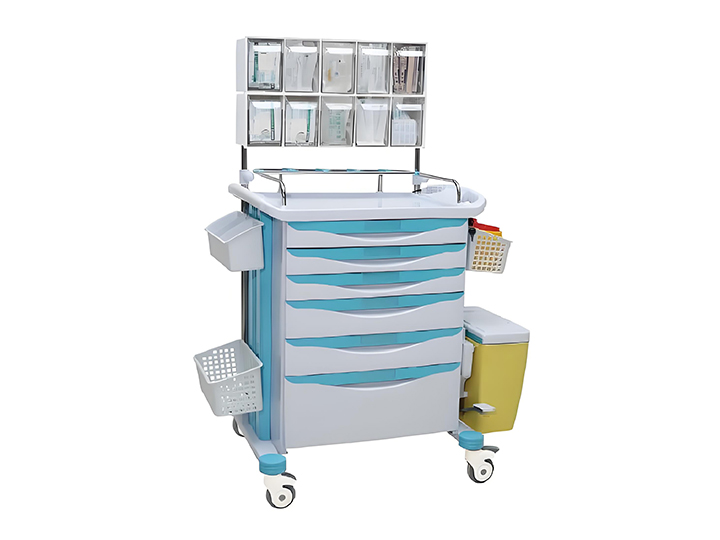
Dispensing stations are widely used in the medical field, mainly serving places such as hospital pharmacies, clinics, and outpatient departments. In hospital pharmacies, as a core tool for dispensing and drug management, they help pharmacists efficiently process a large number of prescriptions, ensuring the accuracy and timeliness of drug distribution. In clinics and outpatient departments, dispensing stations are used to manage patient medications, supporting healthcare workers to quickly complete dispensing work and improving overall service efficiency. Whether in large medical institutions or small medical facilities, dispensing stations can simplify drug management through standardized processes and provide reliable support for medical teams.
Conclusion: The Value and Prospect of Dispensing Stations in Modern Medicine
By integrating storage, dispensing operations, and intelligent guidance functions, medication dispensing workstations not only enhance dispensing efficiency but also strengthen medication safety management, creating a superior working environment for medical staff. As medical technology advances, the design and application of these workstations will continue to evolve, further driving the standardization and intelligent development of healthcare services. For medical institutions, investing in high-quality dispensing workstations is a key measure to improve patient satisfaction and optimize resource allocation, and it warrants significant attention during medical equipment planning.
Tin tức được đề xuất
-
Lựa chọn giường nâng bệnh viện và các tình huống sử dụng
-
Phân tích quy trình và kỹ năng thực hành của điều dưỡng phường từ khi nhập viện đến phục hồi chức năng
-
Đặc điểm chức năng và lựa chọn giường khám chẩn đoán và điều trị y tế
-
Giường phục hồi chức năng: chìa khóa nâng cao chất lượng chăm sóc bệnh nhân nằm liệt giường dài ngày
-
Công nghệ chăm sóc người cao tuổi thông minh trao quyền và mở ra kỷ nguyên mới về dịch vụ chăm sóc người cao tuổi
-
Phân tích chức năng và lựa chọn các biện pháp phòng ngừa của giường điện thông minh
-
Hướng dẫn lựa chọn thiết bị phục hồi chức năng và phân tích các loại thông dụng
-
Kỹ năng phân tích và lựa chọn chức năng của giường đồng hành
-
Sự phát triển mới thông minh và dựa vào cộng đồng trong chăm sóc người già tại nhà
◇◇ Nội dung liên quan ◇◇
- Comprehensive Analysis Of Treatment Carts: A Guide To Selecting Key Equipment For Enhancing Medical Efficiency
- The Ultimate Guide To Electric Smart Beds: Feature Analysis And Buying Tips To Enhance Your Sleep Tech Experience
- Complete Guide To Purchasing And Using Manual Hospital Beds: Economical Medical Care Solutions
- Complete Guide To Choosing A Children's Hospital Bed: 7 Key Points To Help You Make An Informed Decision
- Ultimate Guide To Crib Safety: 10 Key Points For Your Baby's Safe Sleep
- What Is An Emergency Bed? Unveiling The Core Functions And Applications Of Key Medical Equipment In ICU, Emergency Departments, And Ambulances
- Transfer Cart: Key Equipment For Enhancing Logistics Efficiency And Selection Guide
- Home Care Beds: The Ideal Choice For Enhancing Quality And Comfort Of In-Home Care
- The Ultimate Guide To Surgical Operating Tables: Core Parameter Analysis And Professional Purchasing Strategy
◇◇ Sản phẩm liên quan ◇◇