Tin tức
Tin tức
The Ultimate Guide To Surgical Operating Tables: Core Parameter Analysis And Professional Purchasing Strategy
The surgical operating table is a core piece of equipment in modern operating rooms, and its performance directly impacts the smoothness of surgeries, the operational efficiency of medical staff, and patient safety. Selecting an appropriate operating table requires an in-depth understanding of its key technical parameters and design concepts. This article will systematically analyze the core considerations for surgical operating tables and provide professional purchasing guidance.
Key Performance Analysis of Surgical Operating Tables
An excellent surgical operating table derives its value from the integration of detailed design and overall performance. Beyond basic height and tilt adjustments, the following core parameters and functions are crucial.
First, integrated sterile barrier and instrument management design is key to improving surgical efficiency. Advanced design concepts integrate sterile protective covers with convenient instrument trays. This not only effectively prevents contamination of the surgical area and ensures a sterile environment but also allows medical staff to access required instruments within arm's reach, significantly optimizing surgical workflows and reducing workload.
Second, excellent flexibility and load-bearing capacity form the foundation for adapting to diverse surgical needs. High-performance operating tables should feature a wide range of positional adjustment functions, including large-scale translation, elevation, and multi-segment backrest and leg rest movements. Strong load-bearing performance ensures stable support in various positions, providing a secure and flexible operating platform for complex surgeries across different departments—from general surgery to orthopedics and neurosurgery.
How to Purchase a Professional Surgical Operating Table: Two Core Principles
When making a purchase, focus on the following two aspects that directly affect surgical outcomes and safety.
1. Imaging Compatibility: Ensuring Unobstructed Intraoperative Fluoroscopy
With the rapid development of orthopedic, neurosurgical, and interventional procedures, the use of intraoperative imaging equipment (such as C-arms) has become standard. Therefore, the imaging compatibility of the operating table is critical. Full carbon fiber tabletop is currently the optimal choice. This material provides high-strength load-bearing while offering excellent X-ray permeability, minimizing fluoroscopic artifacts, eliminating imaging blind spots, and providing doctors with clear, accurate real-time images to ensure surgical precision.
2. Stability and Safety Redundancy of the Drive System
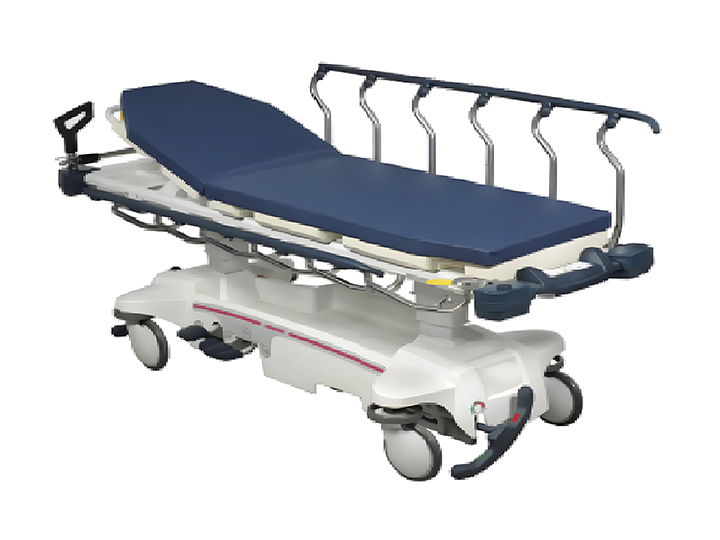
The drive system is the heart of the operating table, directly related to operational smoothness, precision, and emergency response capabilities. Electro-hydraulic drive systems represent the high-end technological direction. Compared to ordinary electric push rods, hydraulic systems operate more smoothly, with lower noise, and can achieve precise speed and force control when adjusting positions. More importantly, their strong load-bearing capacity and reliable system design provide higher safety redundancy, ensuring stable operation during long surgeries or emergency situations.
Conclusion
Selecting the right operating table requires a comprehensive assessment of the operating room's specific surgical needs, associated imaging equipment, and the equipment's long-term reliability. Key priorities should include sterile and user-centric design, exceptional flexibility and load-bearing capacity, superior imaging compatibility (such as a full carbon-fiber tabletop), and a stable, reliable drive system (such as an electro-hydraulic drive). Prioritizing these core criteria within your budget ensures that the acquired equipment not only enhances overall operating room efficiency and patient safety but also accommodates future growth.
Tin tức được đề xuất
-
Lựa chọn giường nâng bệnh viện và các tình huống sử dụng
-
Phân tích quy trình và kỹ năng thực hành của điều dưỡng phường từ khi nhập viện đến phục hồi chức năng
-
Đặc điểm chức năng và lựa chọn giường khám chẩn đoán và điều trị y tế
-
Giường phục hồi chức năng: chìa khóa nâng cao chất lượng chăm sóc bệnh nhân nằm liệt giường dài ngày
-
Công nghệ chăm sóc người cao tuổi thông minh trao quyền và mở ra kỷ nguyên mới về dịch vụ chăm sóc người cao tuổi
-
Phân tích chức năng và lựa chọn các biện pháp phòng ngừa của giường điện thông minh
-
Hướng dẫn lựa chọn thiết bị phục hồi chức năng và phân tích các loại thông dụng
-
Kỹ năng phân tích và lựa chọn chức năng của giường đồng hành
-
Sự phát triển mới thông minh và dựa vào cộng đồng trong chăm sóc người già tại nhà
◇◇ Nội dung liên quan ◇◇
- Comprehensive Analysis Of Treatment Carts: A Guide To Selecting Key Equipment For Enhancing Medical Efficiency
- The Ultimate Guide To Electric Smart Beds: Feature Analysis And Buying Tips To Enhance Your Sleep Tech Experience
- Complete Guide To Purchasing And Using Manual Hospital Beds: Economical Medical Care Solutions
- Complete Guide To Choosing A Children's Hospital Bed: 7 Key Points To Help You Make An Informed Decision
- Ultimate Guide To Crib Safety: 10 Key Points For Your Baby's Safe Sleep
- What Is An Emergency Bed? Unveiling The Core Functions And Applications Of Key Medical Equipment In ICU, Emergency Departments, And Ambulances
- Transfer Cart: Key Equipment For Enhancing Logistics Efficiency And Selection Guide
- Home Care Beds: The Ideal Choice For Enhancing Quality And Comfort Of In-Home Care
- The Ultimate Guide To Surgical Operating Tables: Core Parameter Analysis And Professional Purchasing Strategy